
Low-volume production with 3D printing
For runs of 10–300 parts, an injection mould rarely pays off.
With 3D printing we produce identical parts straight from your file – no tooling cost and no minimum stock you have to warehouse.
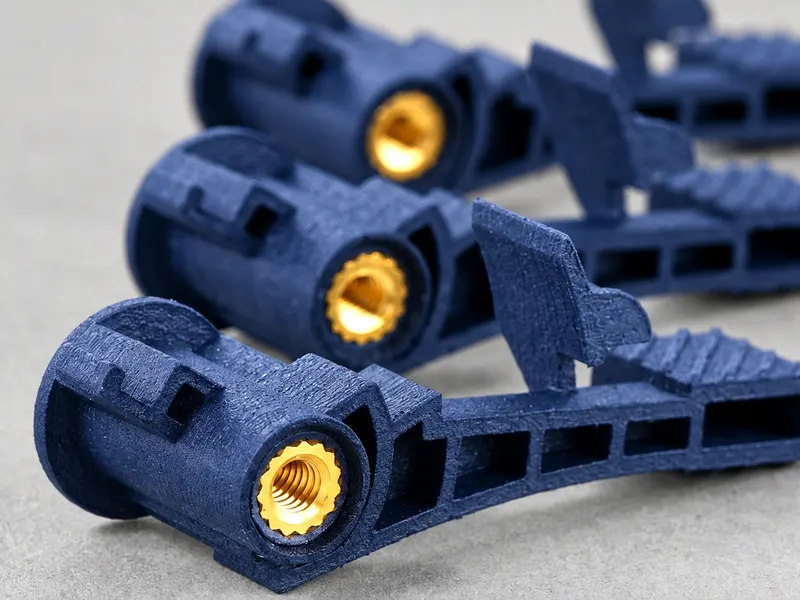
Typical low-volume parts
Enclosures and covers
For devices, electronics, sensors and control panels in small quantities.
Brackets and spacers
Technical parts you need by the dozen, not by the thousand.
Jigs and fixtures
Drilling jigs, assembly fixtures, guides and holders for the production floor.
Pilot runs
A first batch for the market or a customer, before deciding on tooling.
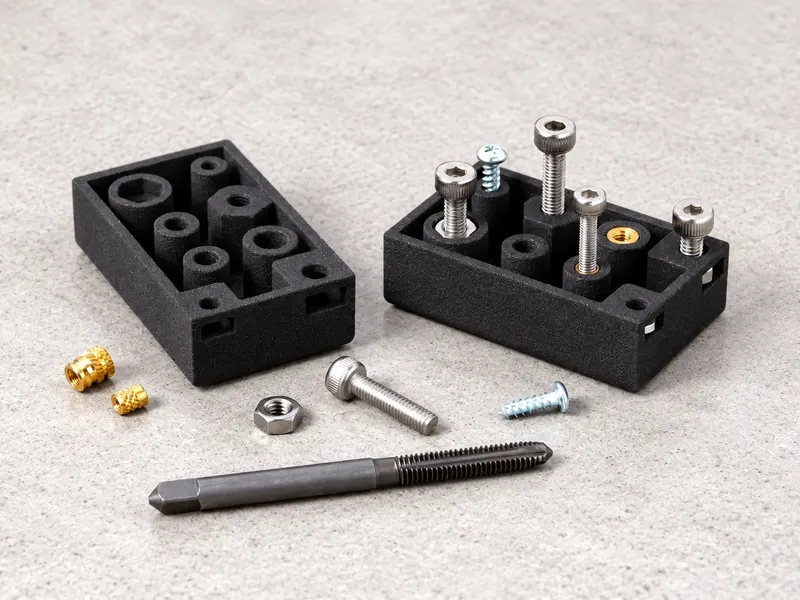
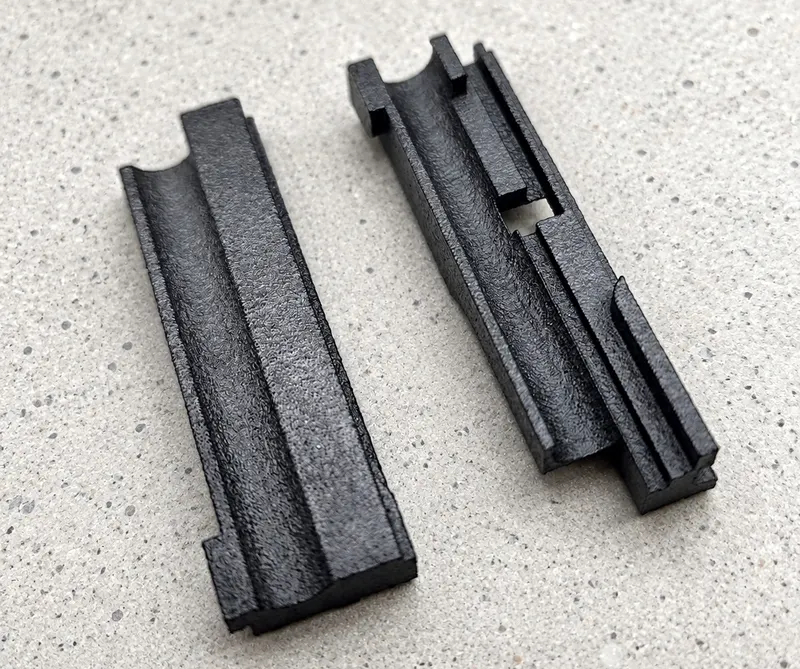
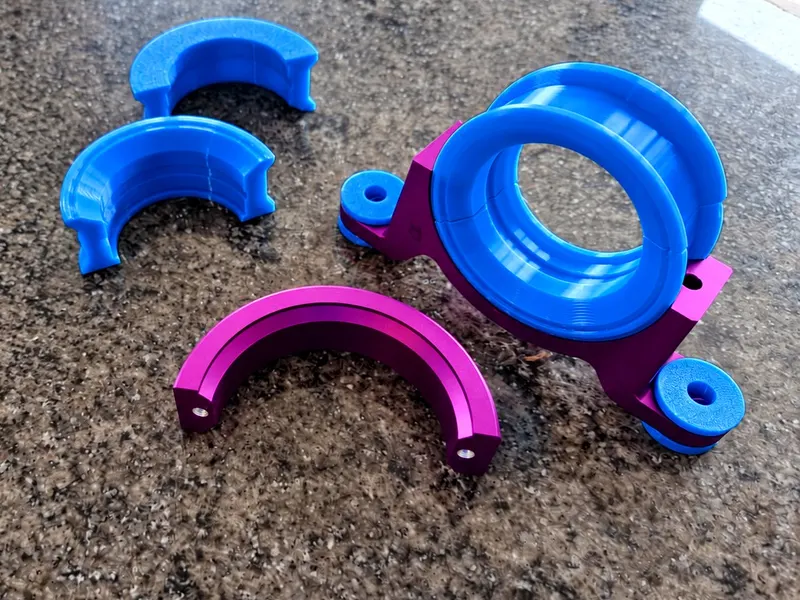
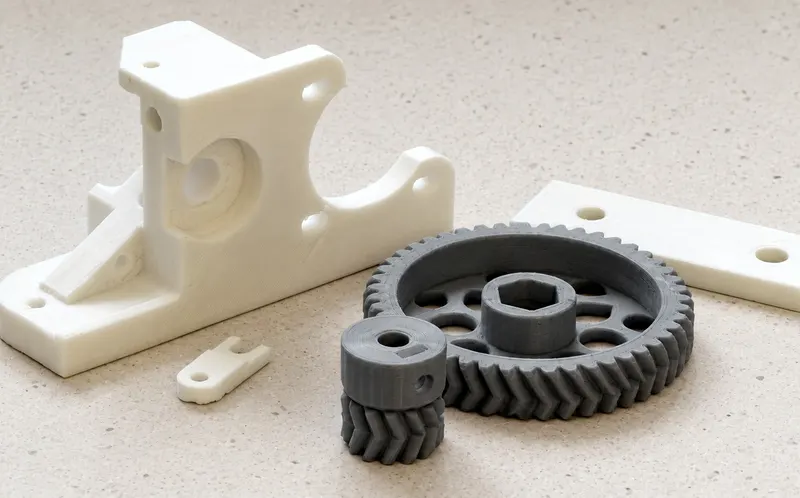
When 3D printing beats moulding
In injection moulding the big cost is the mould. Once it exists, parts are cheap – but only at high volumes. 3D printing has no mould, so the cost per part stays roughly flat.
That makes it the right choice for small quantities, products still evolving, and parts you only need occasionally.
How we keep parts consistent
- every part in a batch uses the same settings and material
- on request, we print a sample for approval before the run
- colour, finish and acceptable tolerances are agreed upfront
- reorders are easy – files and print settings are archived
Frequently asked questions
Is there a minimum order?
No. We print single parts as well as batches – the quote scales with quantity.
Can I reorder the same parts later?
Yes. We archive files and print settings, so a reorder is simple.
What drives the price of a batch?
Mainly part size and volume, material, quantity and any extra work. Prices are always quoted individually.
What batch sizes do you print?
Typically 10 to 300 parts, but there is no minimum order. For larger quantities we agree on lead time and schedule.
How long does a small batch take?
Small batches usually take 3–5 working days. The exact lead time is stated in the quote.